
Editorial Showcase — This vehicle is not currently offered for sale through PATINA.
The image represents this model or chassis. The editorial copy below is model-level guidance and does not describe the pictured vehicle’s specific condition, history, or ownership.
1967–1972 (second-generation C10) · Truck
Chevrolet C10 — Second-generation ('Action Line')
A work truck that became one of the most flexible project platforms on the road.
The second-generation C10's simple frame, huge parts catalog, and genuinely comfortable cab have made it as popular with resto-mod builders as it once was with contractors — but that same popularity means frame and cab rust need honest inspection before anything else.
Chevrolet's second-generation C10, built from 1967 to 1972 and nicknamed the 'Action Line' generation internally, moved the half-ton pickup toward genuine daily-driver comfort without giving up work-truck simplicity. Straight-six and small-block V8 engines were both offered, mated to manual or automatic transmissions, on a simple ladder-frame chassis that has proven exceptionally friendly to modification.
By the late 1960s, Chevrolet recognized that pickup buyers wanted more than a bare-bones work vehicle — they wanted something comfortable enough to drive every day. The second-generation C10 answered with a wider cab, a lower step-in height, and available trim levels that pushed the truck closer to car-like comfort while keeping the mechanical layout straightforward.
That combination of comfort and mechanical simplicity is exactly why the C10 became such a popular canvas for builders decades later. A stock small-block V8 is easy to service or replace outright, the frame accepts a wide range of suspension and drivetrain swaps without exotic fabrication, and the cab's proportions have aged into a look that resonates with buyers who never owned one new.
The tradeoff for that popularity is a used market flooded with trucks in wildly different states — from unmolested survivors to trucks already mid-build with undocumented modifications. Because the truck's simplicity makes it easy to modify badly as well as well, verifying what's actually been done to a given example matters more than usual.
- A genuinely simple ladder-frame platform that tolerates engine, suspension, and brake upgrades without exotic fabrication.
- One of the largest reproduction parts catalogs of any classic vehicle, including full replacement cabs, beds, and frames.
- A cab and greenhouse design that reads as comfortably usable today, not just nostalgic.
- Broad appeal across restoration purists, resto-mod builders, and daily-driver enthusiasts alike.
- Engine
- 250ci or 292ci inline-6; 283ci, 327ci, or 350ci small-block V8
- Transmission
- 3-speed or 4-speed manual; TH350 or TH400 automatic
- Drivetrain
- Rear-wheel drive, solid front and rear axles (independent front suspension from 1963 on)
- Production Period
- 1967–1972
- Curb Weight
- Approximately 3,300–3,800 lb depending on configuration
- Cab corners and floor pans for rust, especially around the rear window seal where leaks are common
- Bed wood and bed-floor metal condition
- Frame rails for rust and any prior repair or modification quality
- Brake system type — many trucks retain original single-reservoir, drum-heavy setups that owners often upgrade for safety
- Steering box play and front-end wear
- Evidence and documentation of any drivetrain swap already performed
- The huge resto-mod aftermarket makes it easy to modify these trucks well — and just as easy to modify them poorly. Inspect workmanship, not just the parts list.
- Many surviving trucks already have non-original drivetrains; treat 'numbers matching' claims skeptically without documentation.
- Frame condition should be checked directly, not assumed from a clean-looking cab and bed.
- Aging single-circuit brake systems are a real safety consideration on unmodified trucks.
Excellent. Full replacement cabs, beds, frames, and interior kits are available new from multiple manufacturers, alongside comprehensive mechanical parts support — among the deepest aftermarket catalogs of any classic vehicle.
Additional approved photography is in progress. Every published image is recorded in PATINA’s rights register.
Have a similar car?
PATINA is always looking for enthusiast vehicles with a story still left to tell.
Submit Your Car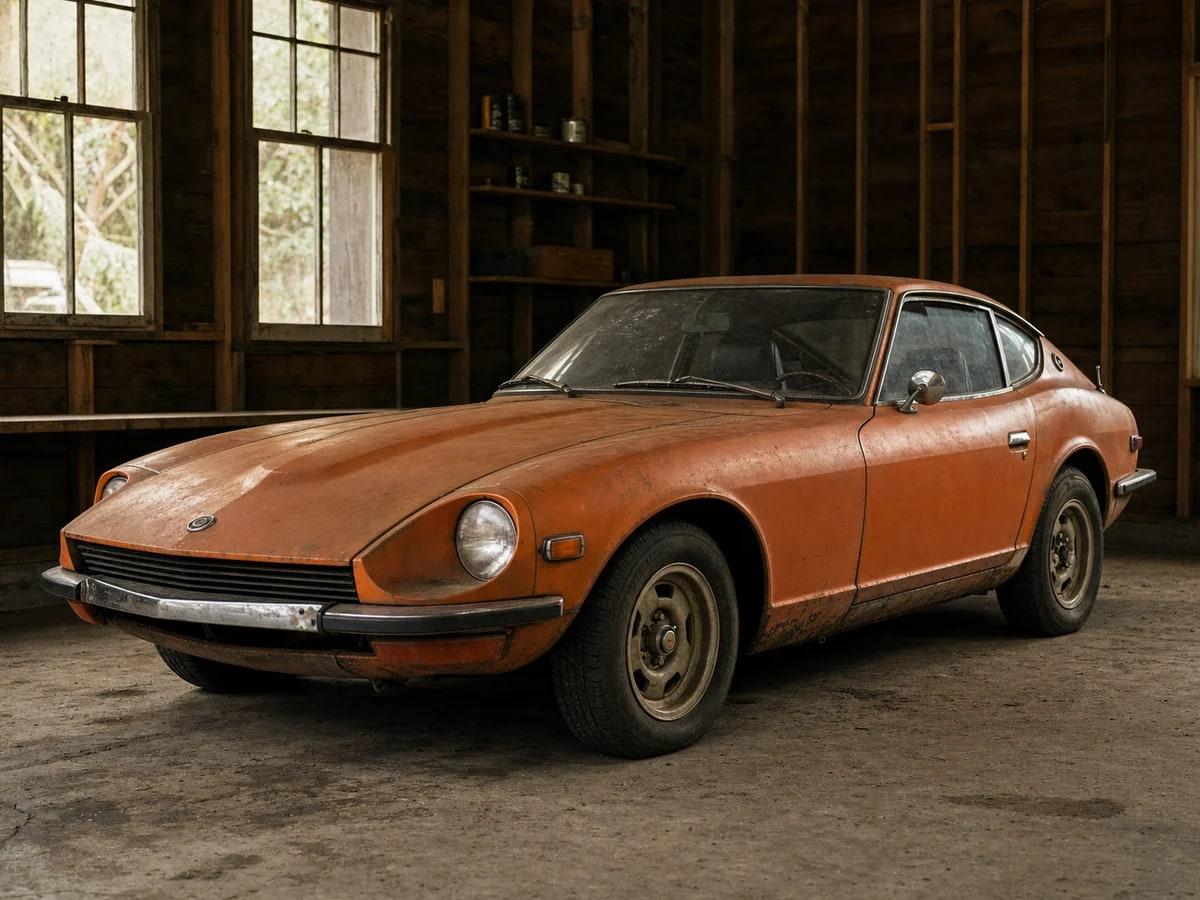
Datsun 240Z · S30
1969–1973 (240Z)
A lightweight sports car with decades of unfinished possibilities.
View Showcase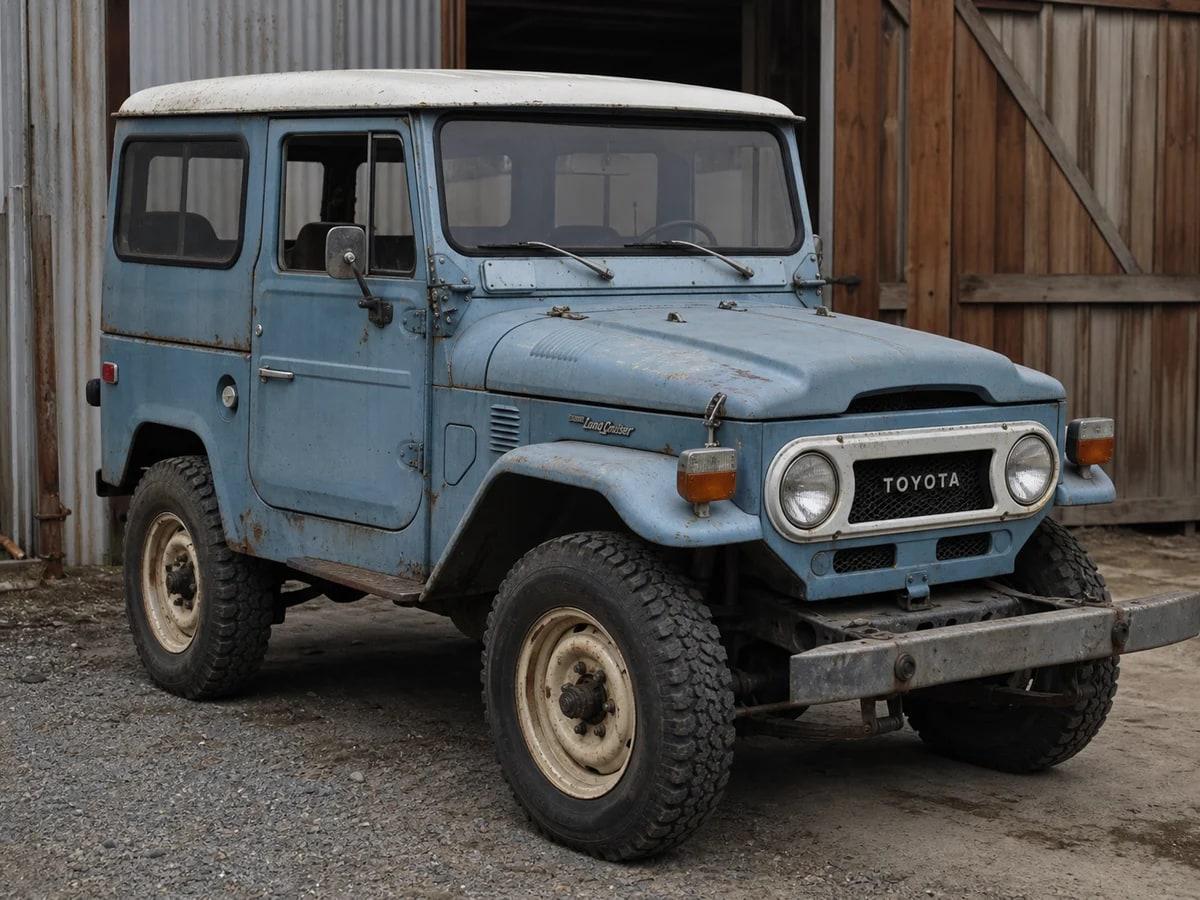
Toyota Land Cruiser · FJ40
1960–1984
Simple, boxy, and built to be used hard.
View Showcase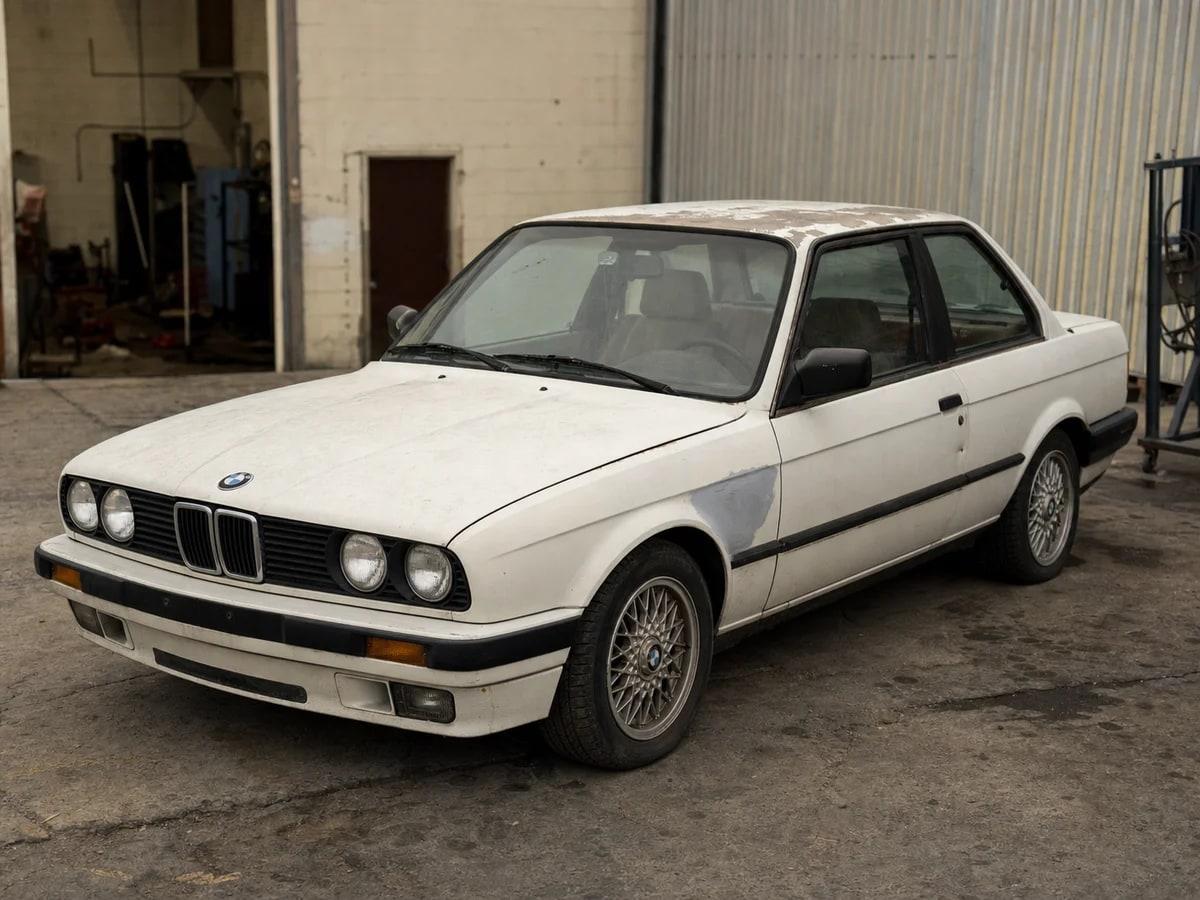
BMW 3 Series · E30
1982–1994
The analog BMW that became a language of its own.
View Showcase