
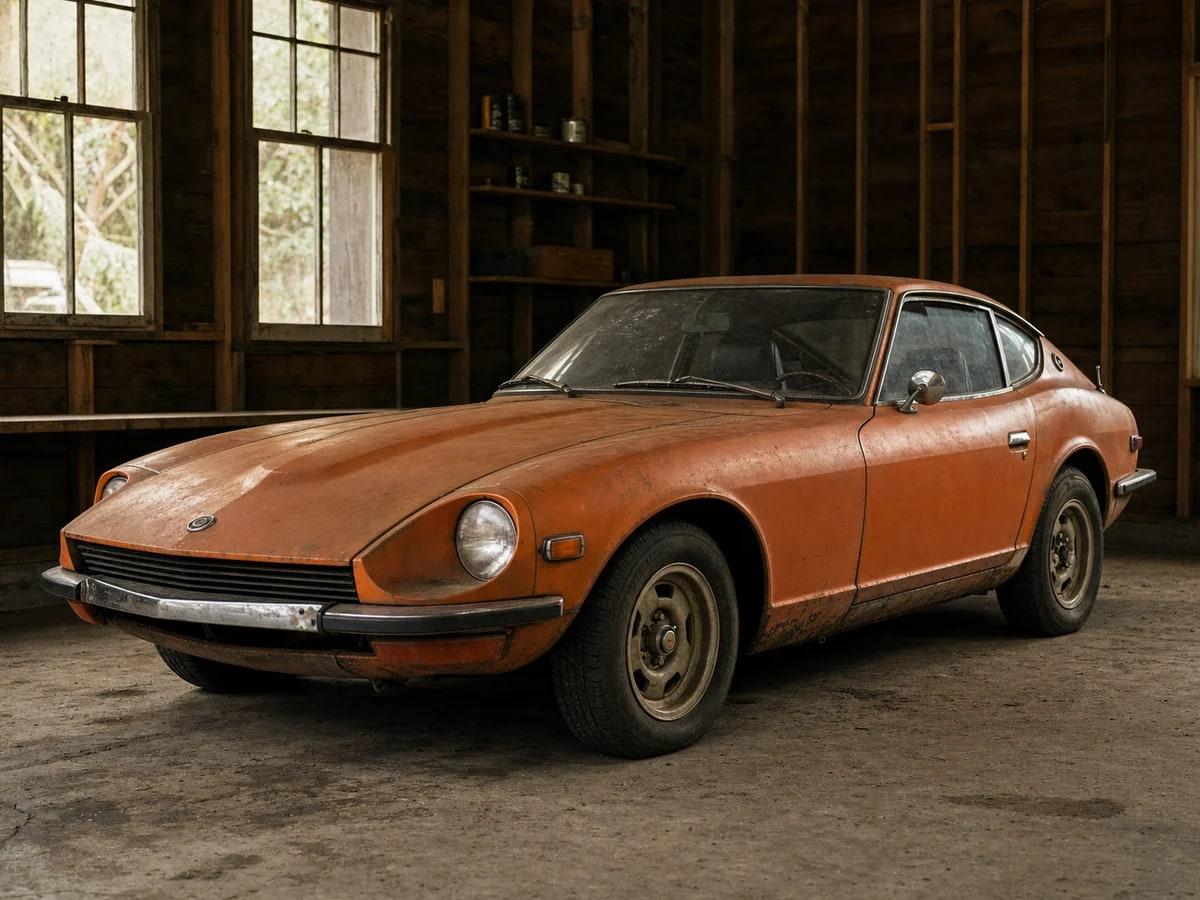
Editorial Showcase — This vehicle is not currently offered for sale through PATINA.
The image represents this model or chassis. The editorial copy below is model-level guidance and does not describe the pictured vehicle’s specific condition, history, or ownership.
1969–1973 (240Z) · Coupe
Datsun 240Z — S30
A lightweight sports car with decades of unfinished possibilities.
The 240Z proved a Japanese manufacturer could build a genuine GT-style sports car for the price of an economy sedan. Most survivors need rust repair before anything else — which is exactly why so many of them are still unfinished stories rather than finished collector pieces.
The Datsun 240Z arrived in 1969 as the first of Nissan's long-running Z line, pairing a torquey inline-six with a light, low-slung unibody at a price that undercut contemporary European sports cars by a wide margin. It was sold in the US through 1973 before giving way to the larger-engined 260Z and 280Z. All three share the S30 platform, and all three share the same core weakness: unibody rust in the areas that matter structurally.
Nissan's brief for the 240Z was straightforward — build a two-seat sports car with genuine GT manners, sell it through Datsun's existing US dealer network, and price it to move. The result outsold every European sports car it competed with, largely because it combined a smooth 2.4-liter SOHC six, disc brakes up front, and independent rear suspension in a package that cost a fraction of a Jaguar E-Type.
The L24 engine at the car's heart is genuinely easygoing by sports-car standards: torquey enough to be pleasant around town, willing enough to rev when asked, and mechanically simple. The twin SU-style carburetors need periodic attention to stay in sync, but they're well understood by the Z community, which is one of the most established restoration cultures in the classic Japanese-car hobby.
The car's real vulnerability is corrosion. The S30 unibody traps moisture in structural areas — the front frame rails, the floor pans, and the rear 'dogleg' section behind the doors — and decades of road salt and damp storage have taken a toll on the surviving population. A 240Z that looks straight in photos can still hide serious structural rust, which is why inspection matters more than shine on this car.
- Widely credited with proving that a Japanese manufacturer could build a credible, desirable sports car for the American market.
- One of the best-supported classic Japanese platforms for reproduction sheet metal and mechanical parts.
- A light, simple chassis that rewards a sympathetic restoration rather than heavy modification.
- An active national and regional owners' community with deep institutional knowledge of common failure points.
- Engine
- L24 2.4L SOHC inline-6 with twin SU-style carburetors
- Transmission
- 4-speed manual standard; 5-speed manual and 3-speed automatic offered later in the S30 run
- Drivetrain
- Rear-wheel drive
- Production Period
- 1969–1973 as the 240Z; S30 platform continued through 1978 as 260Z/280Z
- Curb Weight
- Approximately 2,300–2,400 lb
- Floor pans and the front frame rails beneath the headlights — priority-one rust zones on every S30
- The rear 'dogleg' panel behind each door and the hatch/tailgate lower edge
- Battery tray and surrounding sheet metal for acid-related corrosion
- Torque box areas where the frame rails meet the floor pan, checked from underneath
- Carburetor synchronization and fuel delivery, since tuning issues are often mistaken for larger mechanical problems
- Timing chain tensioner wear, a known L-series maintenance item on higher-mileage engines
- Rust is the single biggest risk on this platform — cosmetically clean cars can still have compromised structure underneath.
- SU-style carburetors need a mechanic or owner familiar with their tuning; a poorly tuned pair is often misdiagnosed as an engine problem.
- The reproduction and NOS sheet-metal market is unusually strong for a car this old, which makes rust repair realistic rather than a dead end.
- Values for clean, rust-free 240Zs have climbed steadily, while rough project cars remain comparatively attainable.
Good. Specialist suppliers stock reproduction floor pans, frame rails, and trim, along with most mechanical wear items. Some early-production trim and glass details remain harder to source than mechanical parts.
- PATINA Concept Studio · OpenAI ImageGen · Generated for PATINA
- PATINA Concept Studio · OpenAI ImageGen · Generated for PATINA
Have a similar car?
PATINA is always looking for enthusiast vehicles with a story still left to tell.
Submit Your Car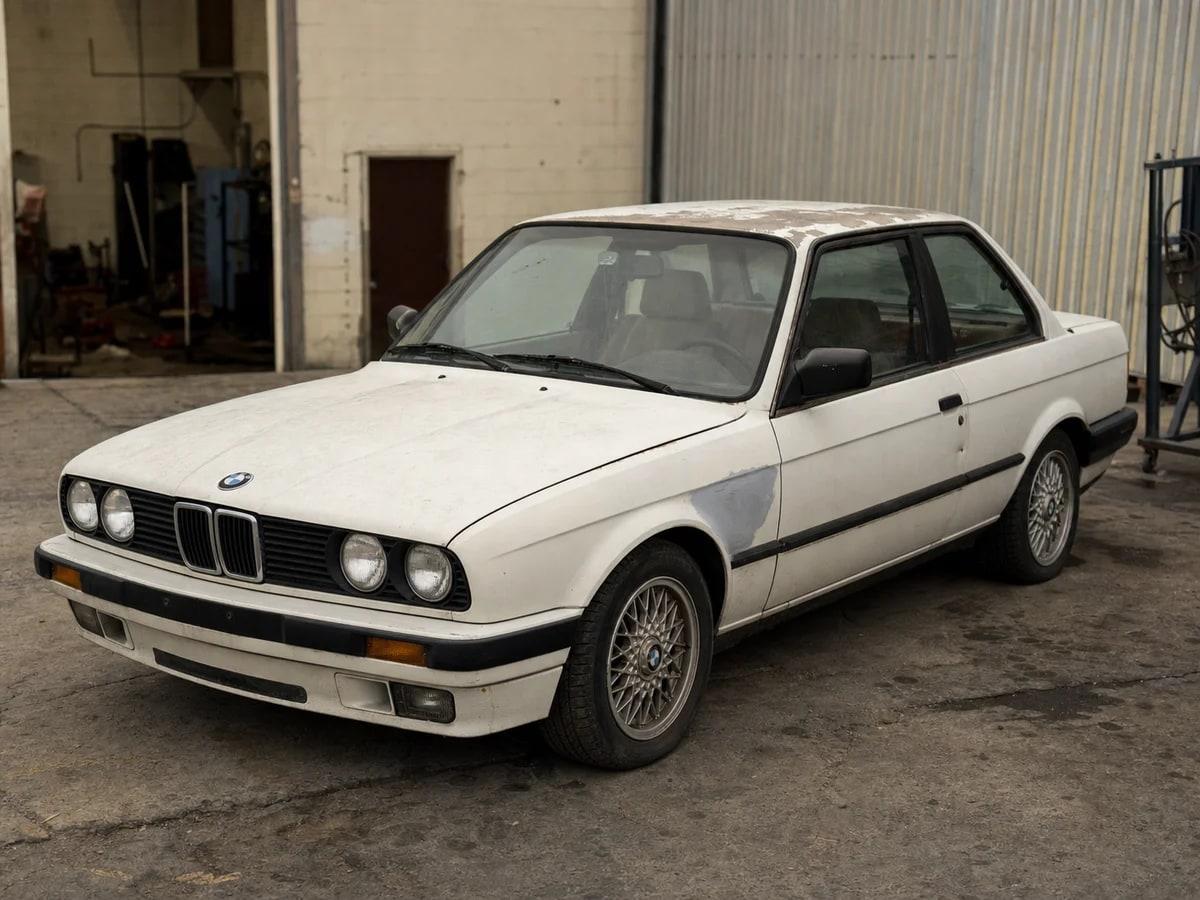
BMW 3 Series · E30
1982–1994
The analog BMW that became a language of its own.
View Showcase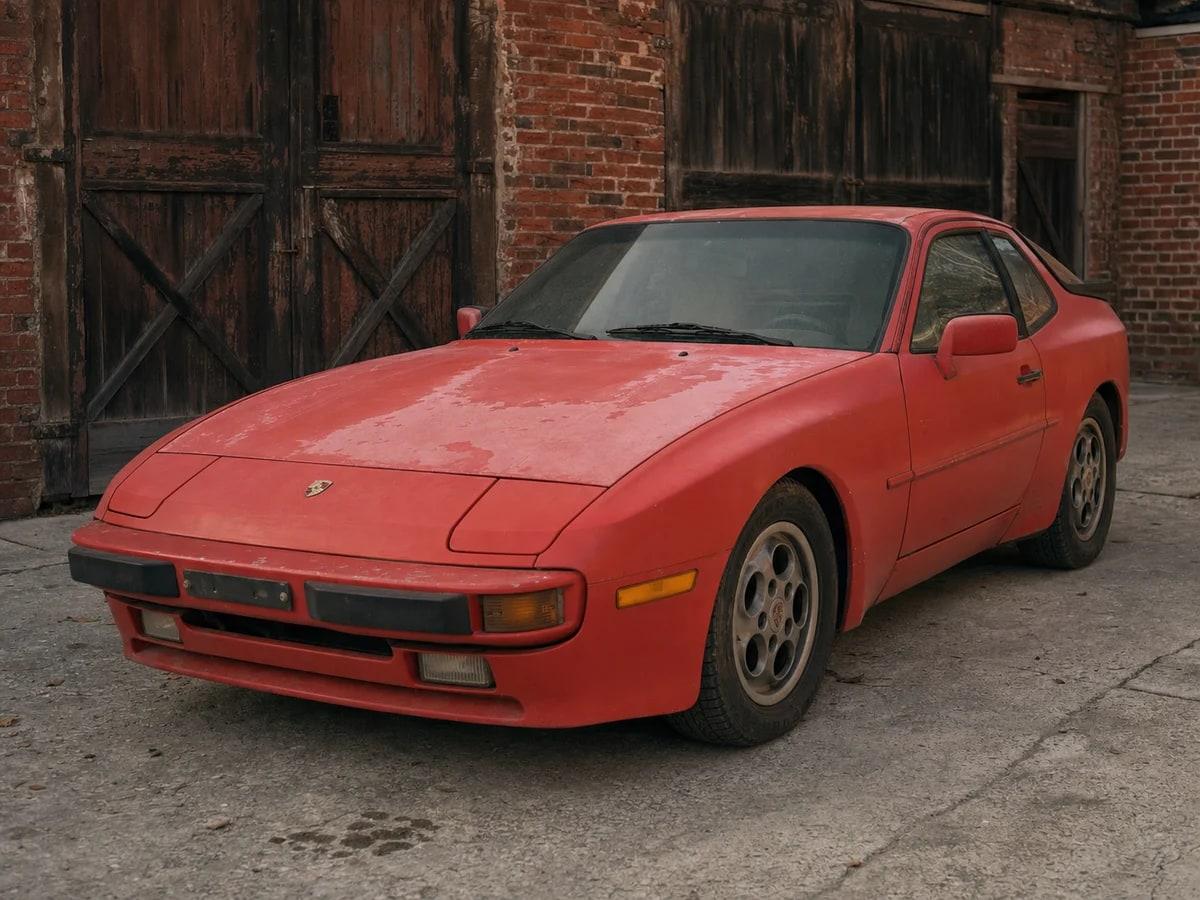
Porsche 944
1982–1991
Balanced, usable, and still misunderstood.
View Showcase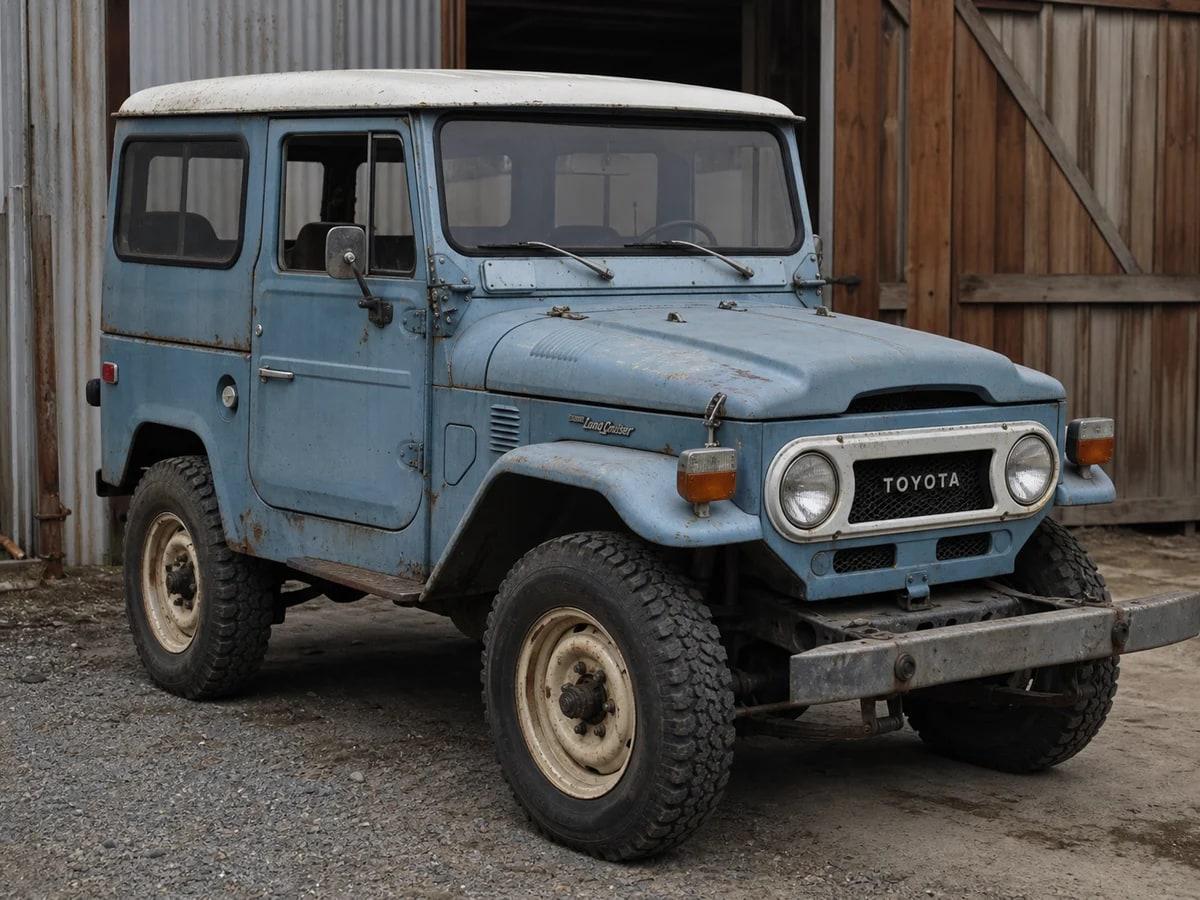
Toyota Land Cruiser · FJ40
1960–1984
Simple, boxy, and built to be used hard.
View Showcase