
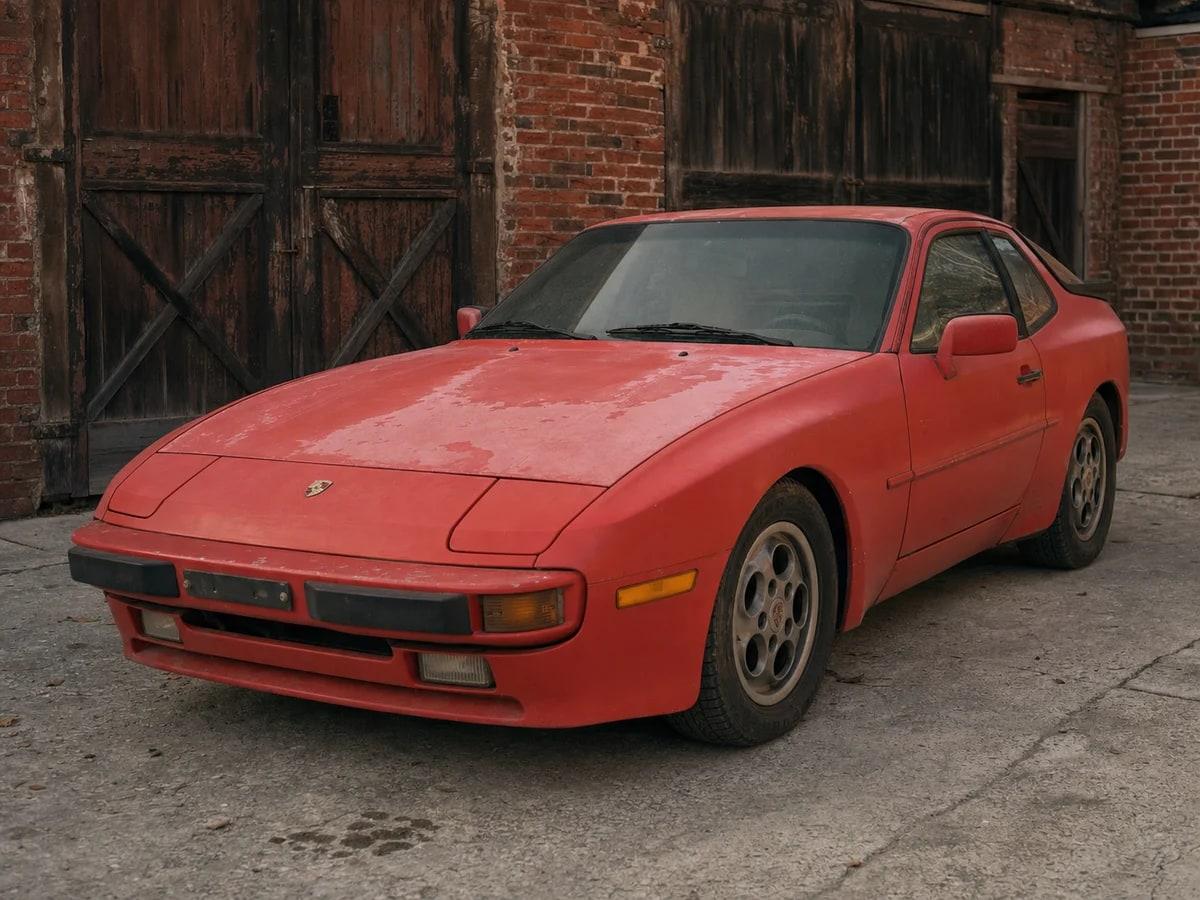
Editorial Showcase — This vehicle is not currently offered for sale through PATINA.
The image represents this model or chassis. The editorial copy below is model-level guidance and does not describe the pictured vehicle’s specific condition, history, or ownership.
1982–1991 · Coupe
Porsche 944
Balanced, usable, and still misunderstood.
The 944's front-engine, rear-transaxle layout gives it near-ideal weight distribution and genuinely composed handling — but its reputation is still shaped by decades of deferred timing-belt service. Understand that one maintenance item and the rest of the car is refreshingly straightforward.
Porsche built the 944 from 1982 to 1991 as a more powerful, more refined evolution of the 924, using a water-cooled inline-four mounted up front and a transaxle at the rear for near 50/50 weight distribution. Naturally aspirated cars ranged from 2.5 to 3.0 liters across the run, and the 944 Turbo (internally the 951) added forced induction and firmer performance credentials. Every variant shares the same non-negotiable maintenance item: the timing belt and balance-shaft belt.
The 944 was Porsche's answer to critics who dismissed the 924 as underpowered — a larger, torquier four-cylinder, better brakes, wider bodywork, and a chassis tuned to exploit the transaxle layout's balance. Road testers at the time praised how planted it felt in fast corners, a trait that still holds up against far newer cars.
That same engine layout brings a maintenance obligation that shaped the car's used-market reputation for years: the timing belt and balance-shaft belt must be replaced on a fixed interval, regardless of mileage, because rubber degrades with age even on a car that's barely driven. Because the 944's four-cylinder is an interference design, a belt failure bends valves and can require a full engine rebuild — the single most common reason a cheap 944 becomes a very expensive 944.
Set that maintenance item aside, and the rest of the car is a comparatively simple, well-engineered sports coupe with strong parts support from the Porsche specialist community. The later 944 S2 and Turbo bring more power and a more serious performance ceiling for buyers who want to build rather than just preserve.
- Near-ideal front-to-rear weight distribution thanks to the front-engine, rear-transaxle layout — a genuine engineering distinction, not just marketing.
- A deep, active Porsche specialist and DIY community that documents maintenance procedures in detail.
- A comparatively affordable entry point into water-cooled, transaxle Porsche ownership.
- S2 and Turbo variants offer real performance headroom for buyers who want more than a preservation project.
- Engine
- 2.5L, 2.7L, or 3.0L (S2) inline-4; 2.5L turbocharged inline-4 on the 944 Turbo/951
- Transmission
- 5-speed manual most common; 3-speed (later 4-speed) automatic offered
- Drivetrain
- Rear-wheel drive, front-engine/rear-transaxle layout
- Production Period
- 1982–1991
- Curb Weight
- Approximately 2,700–3,000 lb depending on variant
- Timing belt and balance-shaft belt service history — request receipts, and budget for replacement if it's undocumented, regardless of mileage
- Water pump condition, since it's replaced in the same service as the timing belt on this engine
- Front control arm bushings and ball joints, a common wear point on higher-mileage cars
- Sunroof drain tubes, which clog and route water into the floor and footwells if neglected
- Hydraulic clutch operation and any history of clutch slave or master cylinder replacement
- Electrical grounds and relays, a known source of intermittent gremlins on this generation of Porsche
- An undocumented timing-belt history should be treated as due for service immediately — this is the defining risk on the platform.
- Specialist labor for belt and clutch service isn't cheap, even though the parts themselves are reasonably priced.
- Some interior and trim pieces are scarce and pricier than the mechanical parts that keep the car running.
- Sunroof-drain-related floor rust is common enough to check specifically, even on otherwise clean examples.
Mixed. Mechanical wear items are well supported through Porsche specialists and aftermarket suppliers. Some interior trim, weatherstripping, and certain body panels are scarcer and command higher prices than the mechanical side of ownership would suggest.
- PATINA Concept Studio · OpenAI ImageGen · Generated for PATINA
- PATINA Concept Studio · OpenAI ImageGen · Generated for PATINA
Have a similar car?
PATINA is always looking for enthusiast vehicles with a story still left to tell.
Submit Your Car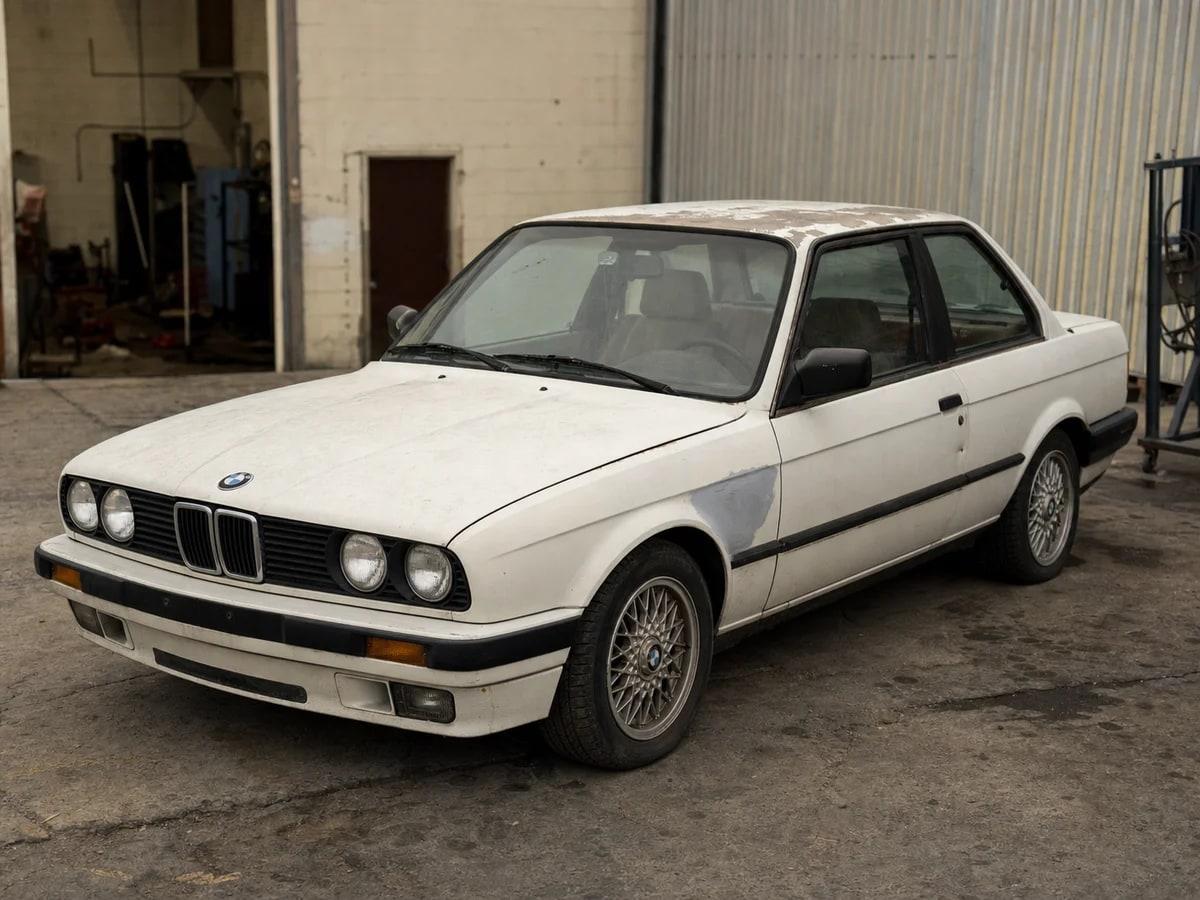
BMW 3 Series · E30
1982–1994
The analog BMW that became a language of its own.
View Showcase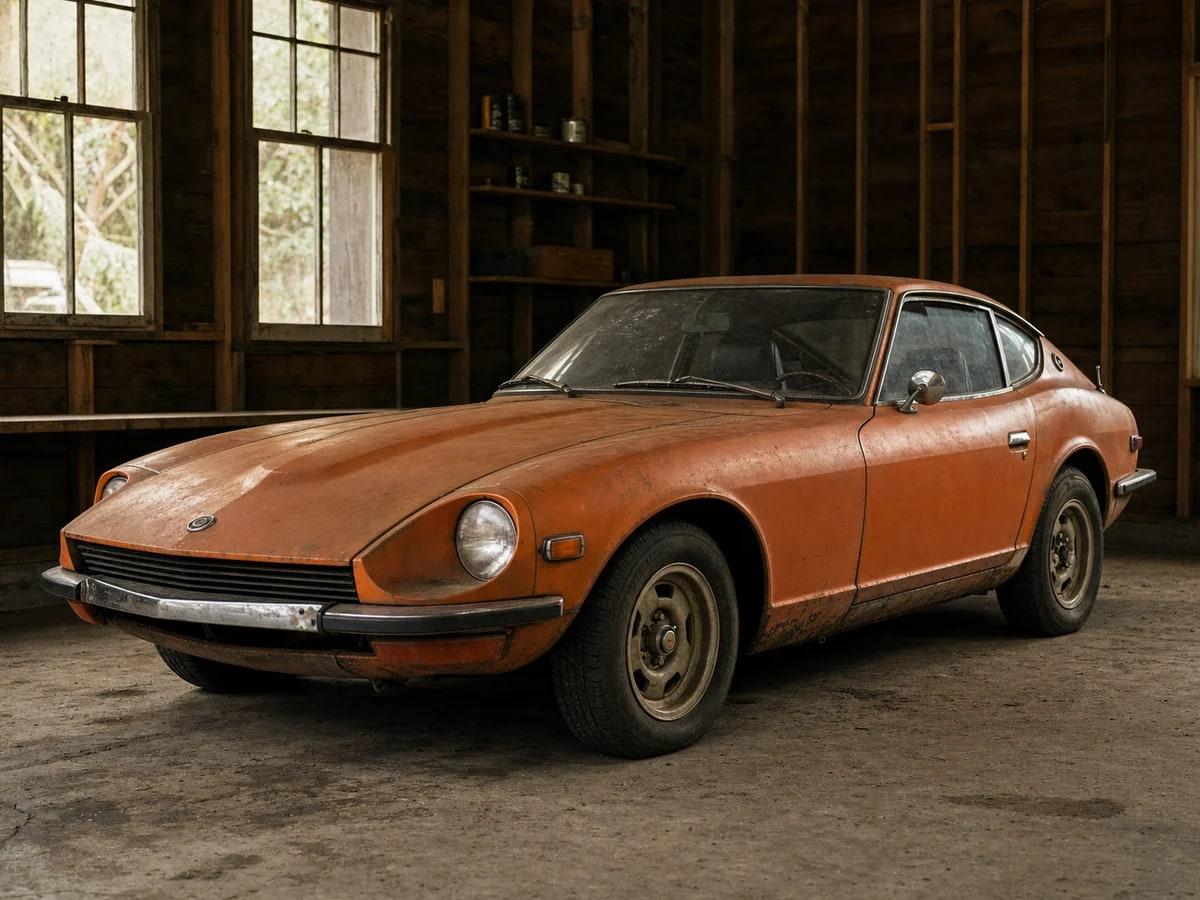
Datsun 240Z · S30
1969–1973 (240Z)
A lightweight sports car with decades of unfinished possibilities.
View ShowcaseFord Mustang · First-generation (2+2 Fastback)
1965–1968 (first-generation 2+2 fastback)
The car that invented an entire market segment.
View Showcase