
Editorial Showcase — This vehicle is not currently offered for sale through PATINA.
The image represents this model or chassis. The editorial copy below is model-level guidance and does not describe the pictured vehicle’s specific condition, history, or ownership.
1965–1968 (first-generation 2+2 fastback) · Coupe
Ford Mustang — First-generation (2+2 Fastback)
The car that invented an entire market segment.
The fastback 2+2 gave Ford's runaway pony-car hit a more purposeful roofline, and decades later it remains one of the best-supported classic platforms in the world — which means a project car's condition matters more than its rarity when deciding where to start.
Ford's first-generation Mustang, sold from 1964½ through 1968, created the pony-car segment almost overnight. The fastback 2+2 body style, added for the 1965 model year, gave the car a lower, more aggressive roofline than the notchback coupe and became the version most associated with the era's performance image. Engine choices ranged from a modest inline-six up through big-block V8 options in later GT and Shelby-adjacent trims.
Lee Iacocca's team built the Mustang on the existing Falcon platform to control cost, then wrapped it in styling that looked far more expensive than it was. The formula — long hood, short deck, a range of engines from economical to genuinely quick — sold over a million units in the first eighteen months and forced every competitor to scramble for an answer.
The fastback's sloped roofline wasn't just a styling exercise; it gave the car a more serious, competition-oriented look that aligned with Carroll Shelby's parallel GT350 program, even on cars that never got near a Shelby build sheet. That association still shapes how the fastback is perceived today, for better or worse.
Because so many first-generation Mustangs were built and driven hard for decades, the surviving population ranges from well-preserved originals to heavily modified resto-mods to genuine rust-bucket projects. The sheer scale of the reproduction parts industry means almost any of those starting points can be brought back — the real question is which kind of car the buyer actually wants to end up with.
- Created the pony-car segment and remains one of the most culturally significant American cars of the 1960s.
- The single best-supported classic American platform for reproduction sheet metal, trim, and mechanical parts.
- A wide spread of factory engine and trim combinations means project scope and budget can vary enormously on the same body style.
- Deep documentation resources (including build-sheet research services) make verifying originality realistic for buyers who care about it.
- Engine
- 200ci inline-6 standard; 289ci and later 302ci/390ci V8 options
- Transmission
- 3-speed manual standard; 4-speed manual and 3-speed automatic (Cruise-O-Matic) offered
- Drivetrain
- Rear-wheel drive, live rear axle with leaf springs
- Production Period
- 1965–1968 for the first-generation fastback body style
- Curb Weight
- Approximately 2,700–3,000 lb depending on engine
- Torque boxes and front shock towers — key unibody structural areas prone to rust
- Trunk floor, quarter panels, and floor pans under the carpet
- Cowl area and windshield frame for water intrusion and related rust
- Whether reproduction body panels already fitted were installed with proper fitment and rust treatment
- Engine and body tag numbers if originality or a numbers-matching claim matters to the buyer
- Overall unibody stiffness — subframe connectors are common and reasonable on cars used for spirited driving
- The reproduction parts market is enormous, but quality and fitment vary between suppliers — cheap panels can create as many problems as they solve.
- Decades-old wiring is a common source of gremlins, especially on cars with prior electrical modifications.
- Because so many surviving cars have been modified, verifying originality requires real documentation, not just a seller's word.
- Values vary enormously by engine, trim, and documented history, so price expectations should be grounded in the specific car, not the model name alone.
Excellent. Full reproduction bodies-in-white, sheet metal, trim, interior kits, and mechanical parts are all readily available from multiple suppliers, making this one of the most realistically restorable classic platforms in existence.
Additional approved photography is in progress. Every published image is recorded in PATINA’s rights register.
Have a similar car?
PATINA is always looking for enthusiast vehicles with a story still left to tell.
Submit Your Car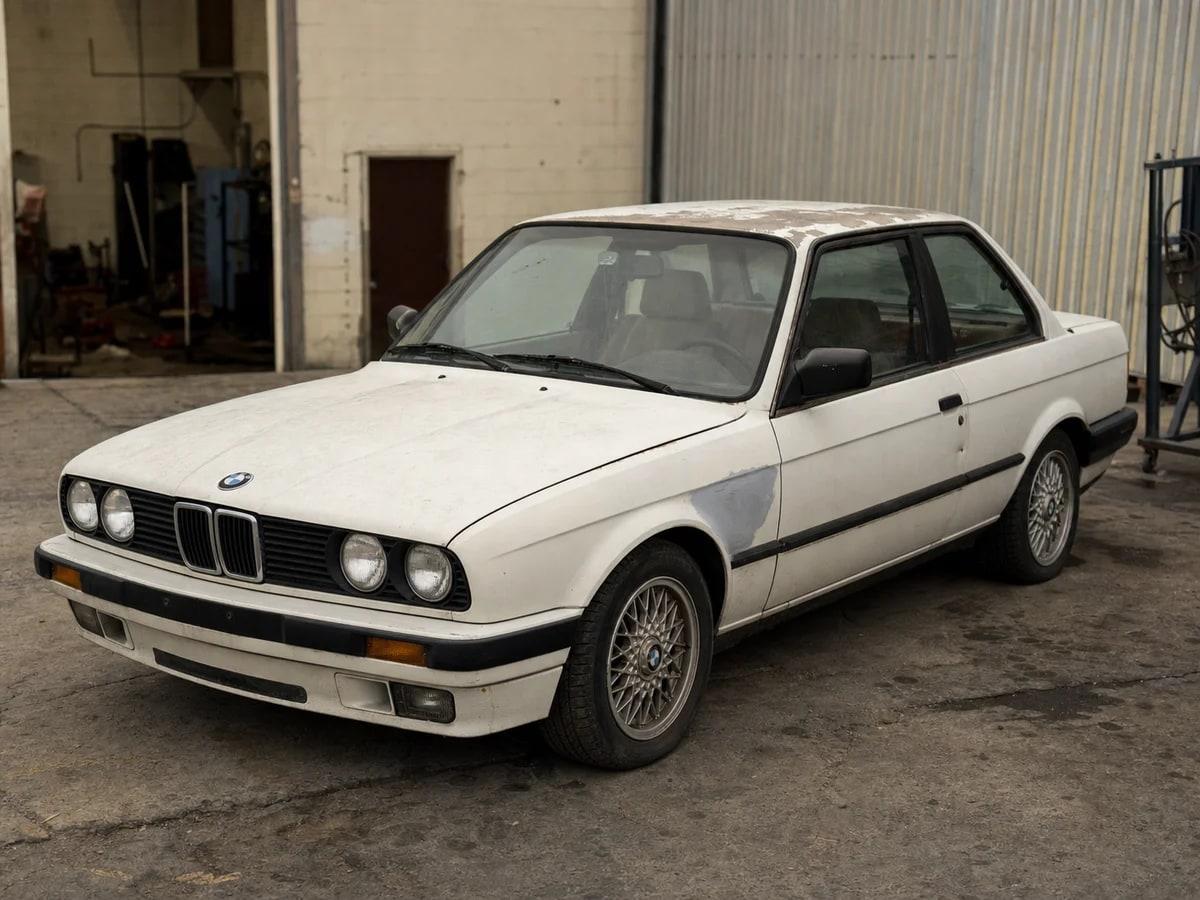
BMW 3 Series · E30
1982–1994
The analog BMW that became a language of its own.
View Showcase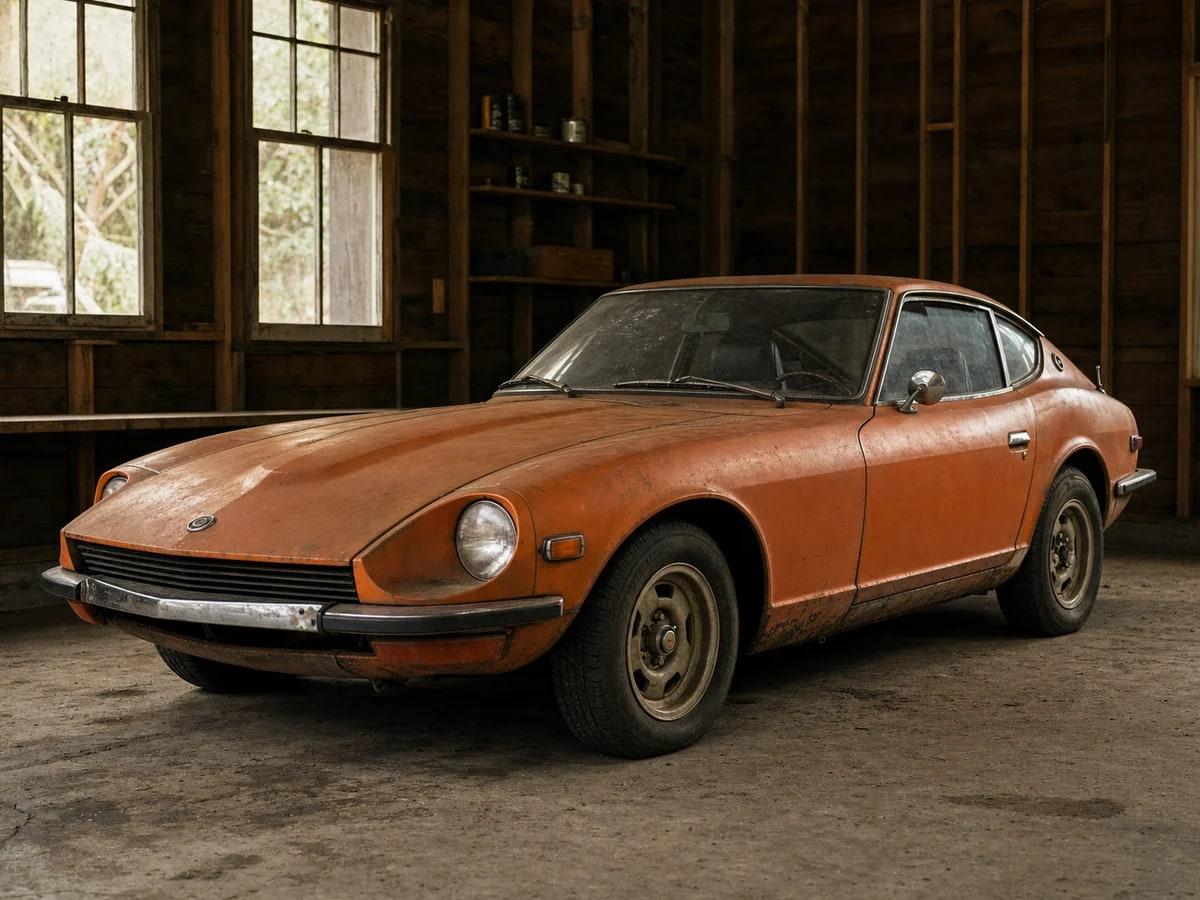
Datsun 240Z · S30
1969–1973 (240Z)
A lightweight sports car with decades of unfinished possibilities.
View Showcase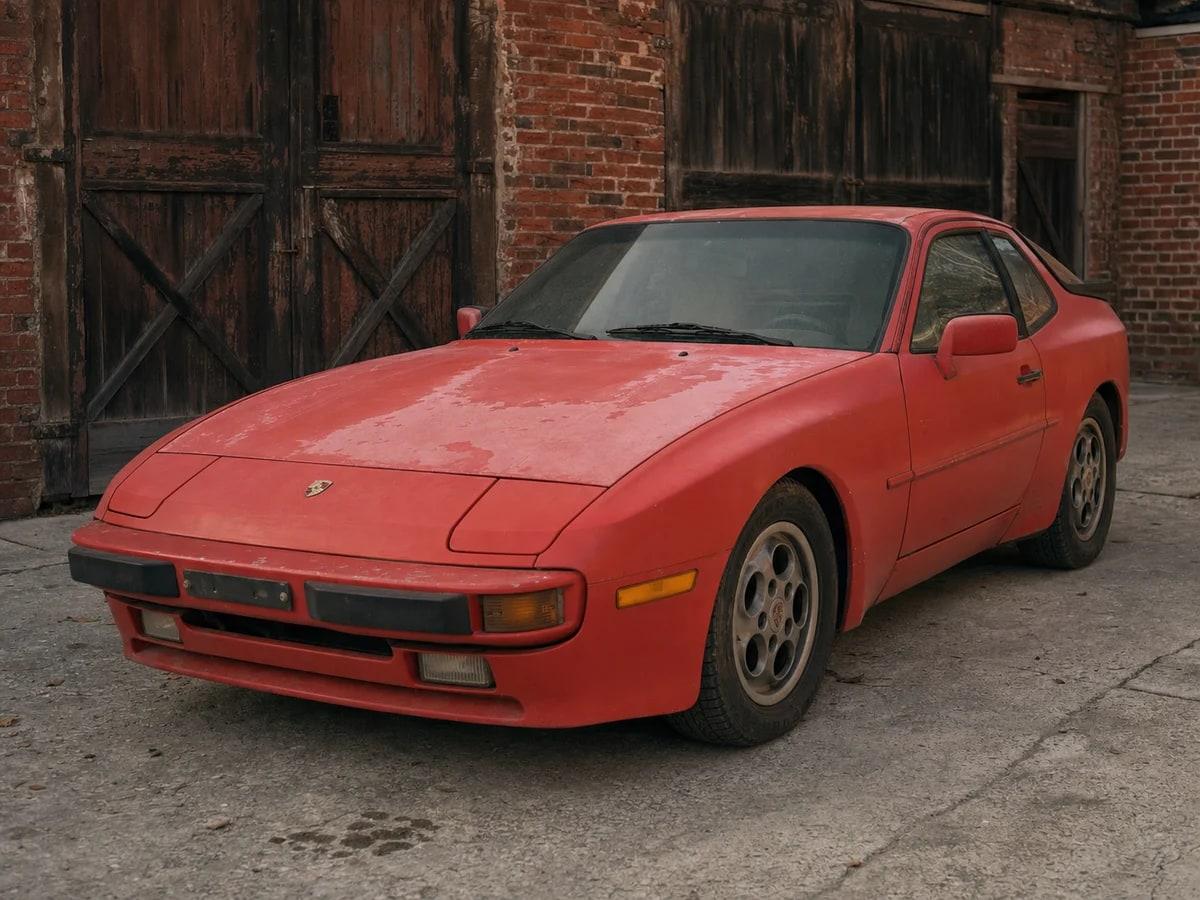
Porsche 944
1982–1991
Balanced, usable, and still misunderstood.
View Showcase