
Editorial Showcase — This vehicle is not currently offered for sale through PATINA.
The image represents this model or chassis. The editorial copy below is model-level guidance and does not describe the pictured vehicle’s specific condition, history, or ownership.
1976–1985 · Sedan
Mercedes-Benz E-Class — W123
Over-engineered when new, and still proving it decades later.
The W123 earned its reputation for durability the hard way — by simply outlasting nearly everything else on the road. Diesel variants in particular are famous for six-figure-mile longevity, but that reputation only holds up with proper fuel-system and glow-plug maintenance.
Mercedes-Benz built the W123 from 1976 to 1985 as a mid-size sedan, coupe, and wagon offered with both gasoline and diesel engines. The naturally aspirated OM617 five-cylinder diesel, used in the 300D and 300TD, became the car's defining reputation-builder: a genuinely low-stress engine capable of enormous mileage with basic, consistent maintenance.
The W123 replaced the W114/W115 range with a design brief that prioritized safety engineering and long-term durability over outright luxury flourish — crumple zones, a reinforced passenger cell, and mechanical components built with generous safety margins were all part of the pitch. It wasn't trying to be exciting; it was trying to still be running in twenty years.
That philosophy paid off most visibly in the diesel models. The OM617 five-cylinder is naturally aspirated, mechanically injected, and mechanically simple by modern standards, which is exactly why so many examples have covered extraordinary distances with nothing more than routine service. Neglect the fuel system or glow plugs, though, and the same engine gets a reputation for stubborn cold starts.
Gasoline W123s and the wagon (T-model) and coupe (CE) body styles round out a range that's aged well across the board. The wagon in particular has become a favorite among buyers who want the platform's durability in a more distinctive body style, and clean examples now command real premiums over the sedan.
- One of the most durable diesel drivetrains ever mass-produced, with well-documented examples covering extraordinary mileage on routine maintenance.
- A safety-first engineering philosophy that was unusually forward-thinking for a mid-1970s mid-size sedan.
- Wagon and coupe body variants give the platform meaningfully different personalities on shared mechanicals.
- A strong global specialist network, particularly for diesel maintenance, keeps ownership realistic even far from a dealer.
- Engine
- OM616/OM617 diesel inline-4/5, or M115/M110 gasoline inline-4/6
- Transmission
- 4-speed manual (rare in US-market cars) or 4-speed automatic
- Drivetrain
- Rear-wheel drive
- Production Period
- 1976–1985
- Curb Weight
- Approximately 3,000–3,400 lb depending on body style and engine
- Rear wheel arches and front fender lower edges for rust
- Sunroof and windshield drain tubes, which clog and route water into the floor if neglected
- Front-end components: steering damper, ball joints, and control arm bushings
- On diesel cars, glow plug function and fuel injection pump condition, since cold-start issues usually trace back here
- Timing chain and rail wear on higher-mileage engines
- Vacuum line condition, since the HVAC and central locking systems rely on a vacuum network that hardens and cracks with age
- Diesel durability is real, but only with consistent maintenance — a neglected fuel system undoes the platform's biggest advantage.
- Some specialist parts, especially for the fuel injection system, require a Mercedes diesel specialist rather than a general mechanic.
- Decades-old vacuum and wiring systems are a common source of minor but persistent gremlins.
- Wagon and coupe variants command a real premium over sedans in similar condition.
Good. A strong global specialist network supports both gasoline and diesel W123 variants, and most mechanical wear items remain available new. Some trim and interior pieces require patience or specialist salvage sourcing.
Additional approved photography is in progress. Every published image is recorded in PATINA’s rights register.
Have a similar car?
PATINA is always looking for enthusiast vehicles with a story still left to tell.
Submit Your Car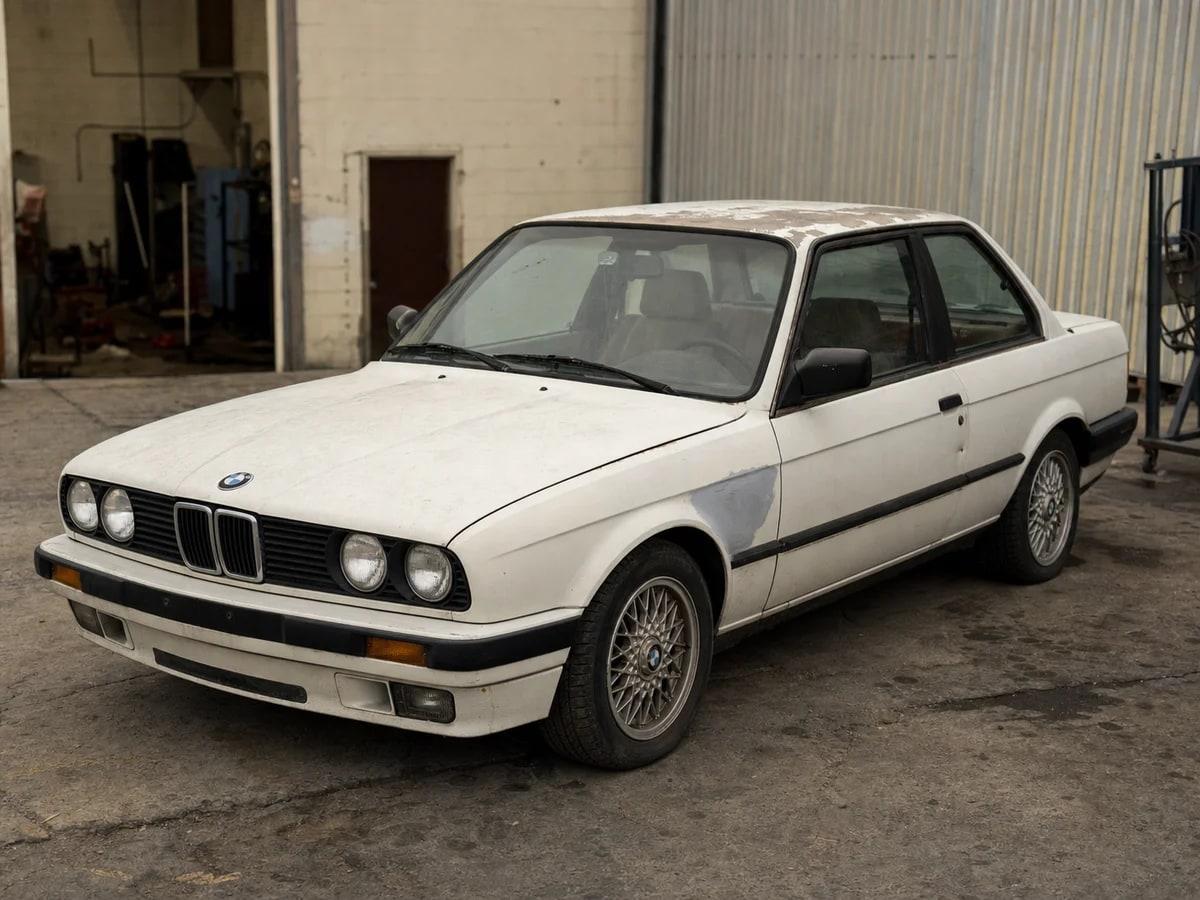
BMW 3 Series · E30
1982–1994
The analog BMW that became a language of its own.
View Showcase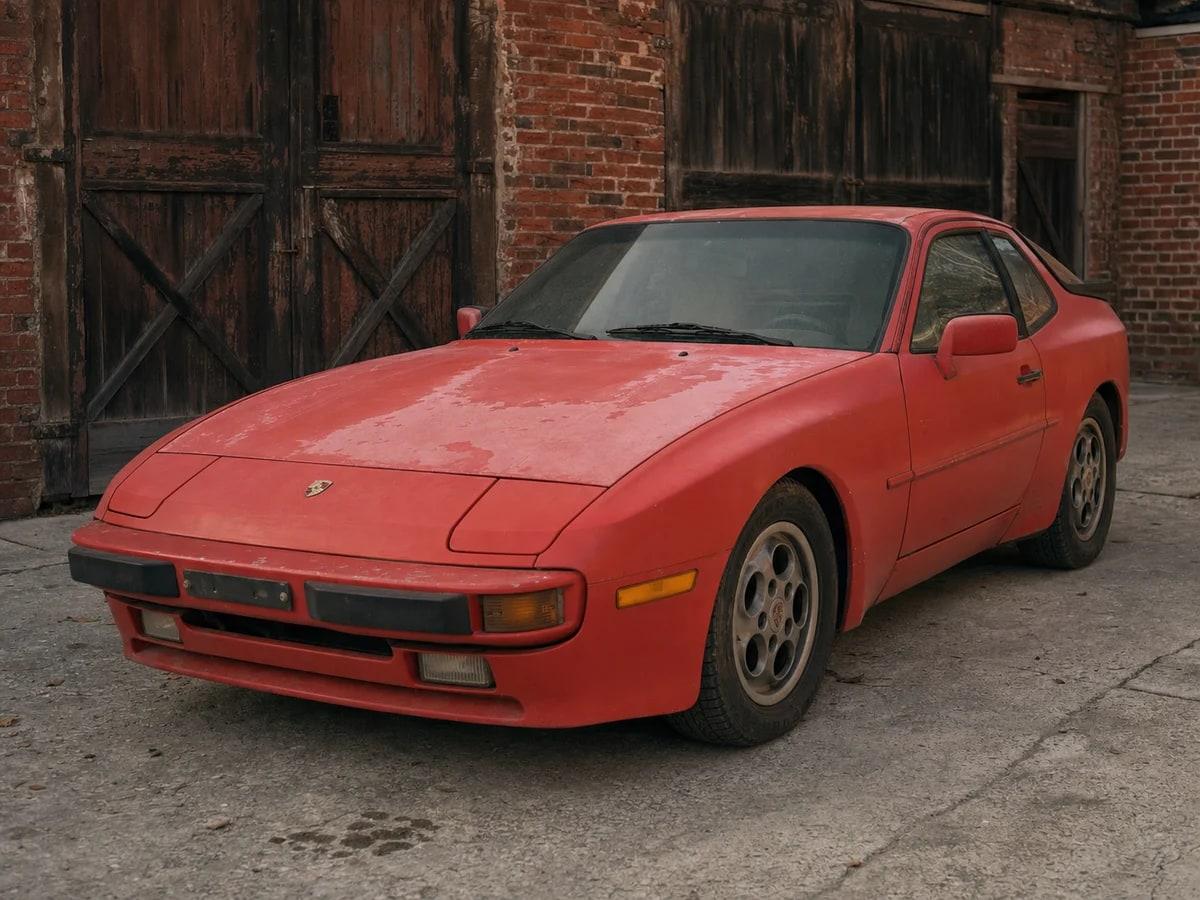
Porsche 944
1982–1991
Balanced, usable, and still misunderstood.
View Showcase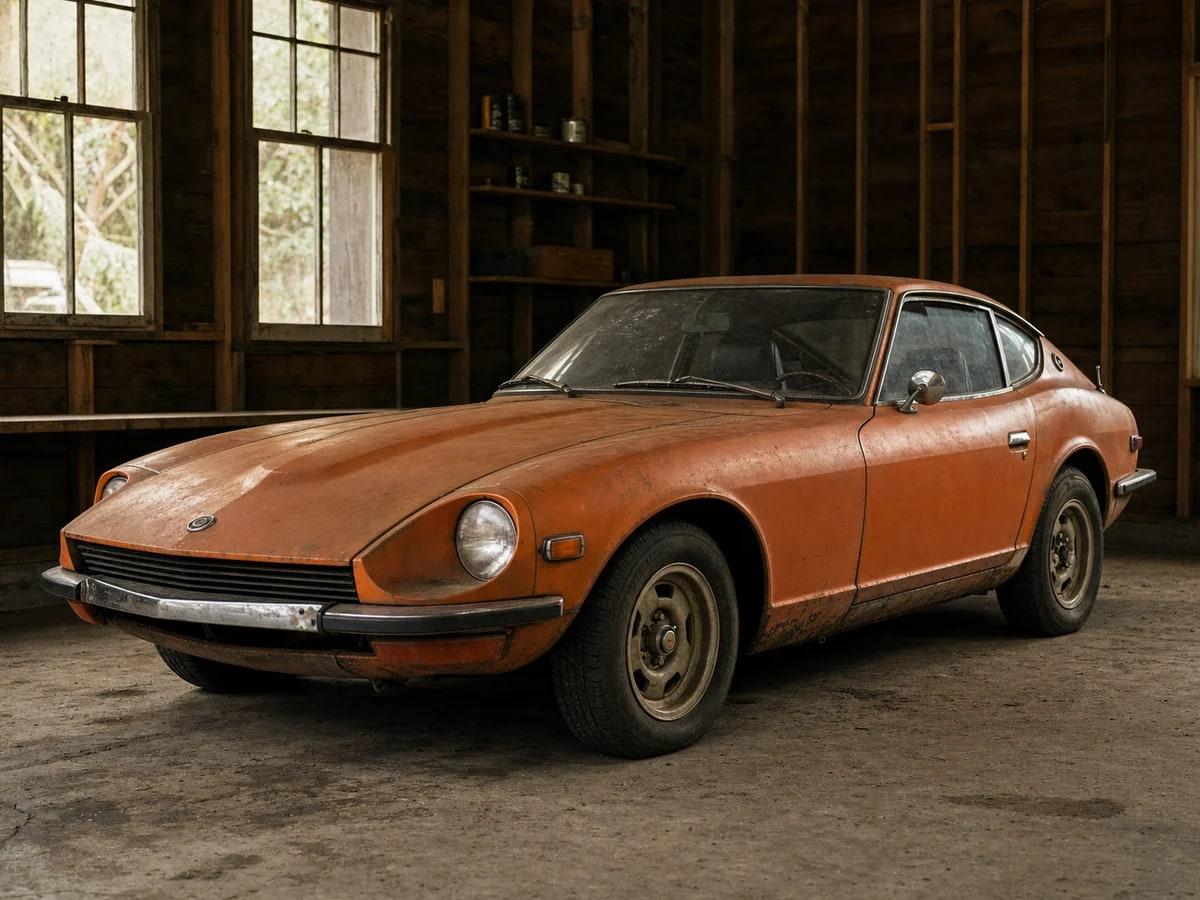
Datsun 240Z · S30
1969–1973 (240Z)
A lightweight sports car with decades of unfinished possibilities.
View Showcase